

World Court rules Myanmar committed genocide against the Rohingya
In a 9-6 ruling, the International Court of Justice found that Myanmar's 2017 military campaign was genocide, the first time the court has made such a finding against a state.
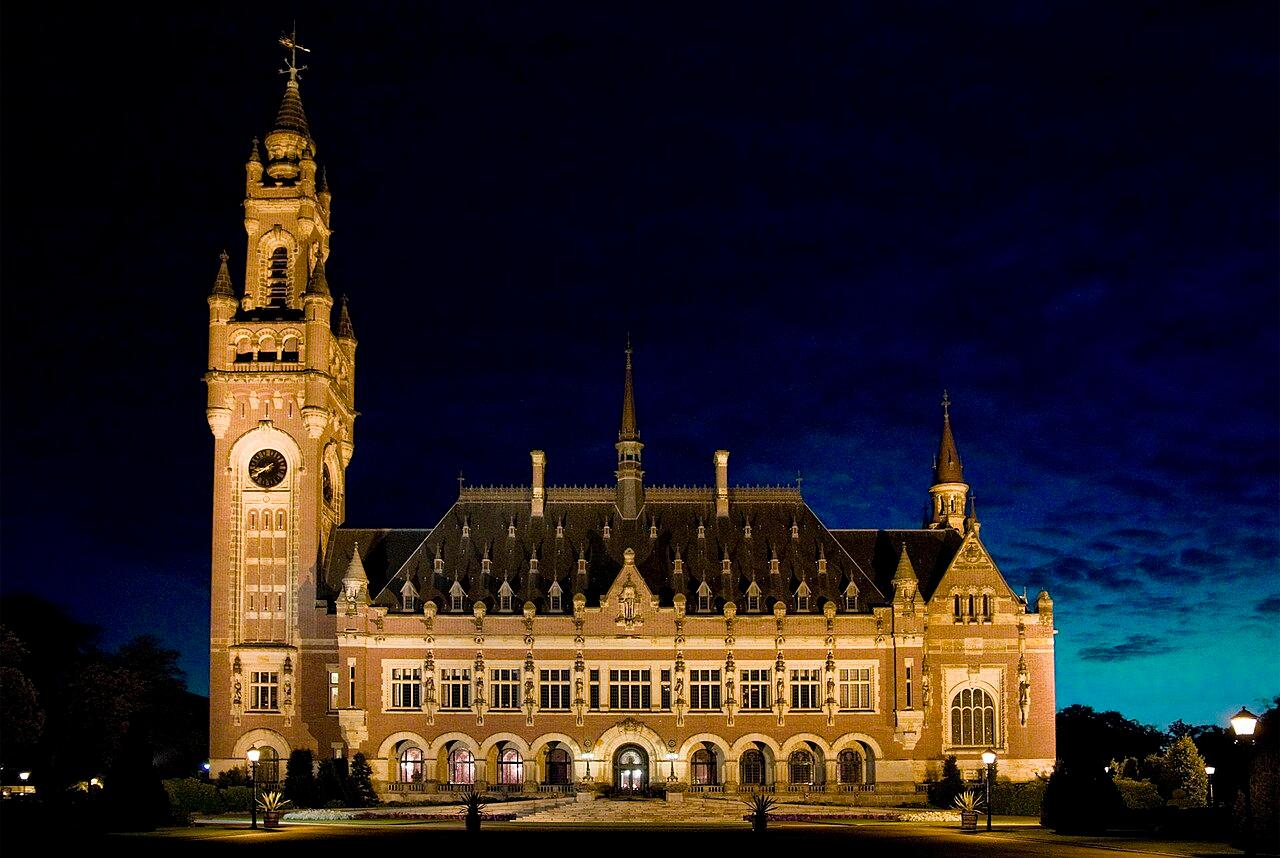
The International Court of Justice ruled on Thursday that Myanmar committed genocide against the Rohingya during the military campaign in Rakhine State in 2017, a landmark decision in the case brought by The Gambia almost exactly seven years ago.
The judges voted nine to six. Reading the judgment in The Hague, the court's president, Judge Iwasawa Yuji, set out findings of mass killings, sexual violence, violence against children and attacks on people trying to flee. Around 10,000 Rohingya are estimated to have been killed in the operations, which drove more than 700,000 people across the border into Bangladesh.
A first for the court
It is the first time the World Court has found that a state itself committed genocide. In the Bosnia case in 2007 the court found only that Serbia had failed to prevent and punish the Srebrenica massacre.
The judgment is final and binding, but the court has no means of enforcing it. If Myanmar does not comply, The Gambia can take the matter to the UN Security Council, where a veto from one of the permanent members could block action.
Rohingya advocates said the next stage would be about remedies. Wai Wai Nu, a Rohingya activist and former political prisoner, said survivors would seek guarantees of non-repetition, restitution and compensation.
Reaction in Bangladesh and beyond
Yasmin Ullah, a Rohingya rights campaigner, called it a day of justice. Amnesty International and Human Rights Watch welcomed the ruling and urged governments to use it to press Myanmar's military rulers. Nay San Lwin, a co-founder of the Free Rohingya Coalition, said the verdict confirmed what the community had said for years.
In a statement, former prime minister Sheikh Hasina, whose government received the refugees in 2017, described the ruling as a proud moment for Bangladesh.
About 1.2 million Rohingya now live in the camps around Cox's Bazar, the largest refugee settlement in the world. The Gambia filed the case on 11 November 2019 with the backing of the Organisation of Islamic Cooperation, and the court ordered provisional measures to protect the Rohingya on 23 January 2020.
This report draws on reporting by Reuters, Al Jazeera, the BBC, Amnesty International and Human Rights Watch.
Comments
Please keep comments civil and on topic. We remove abuse, personal attacks, hate speech, spam and anything that may be unlawful.
Loading comments…