

The Rohingya genocide ruling: what happens next
The World Court's judgment is binding but cannot be enforced. Here is what it means for Myanmar, for the refugees in Bangladesh and for the hope of going home.
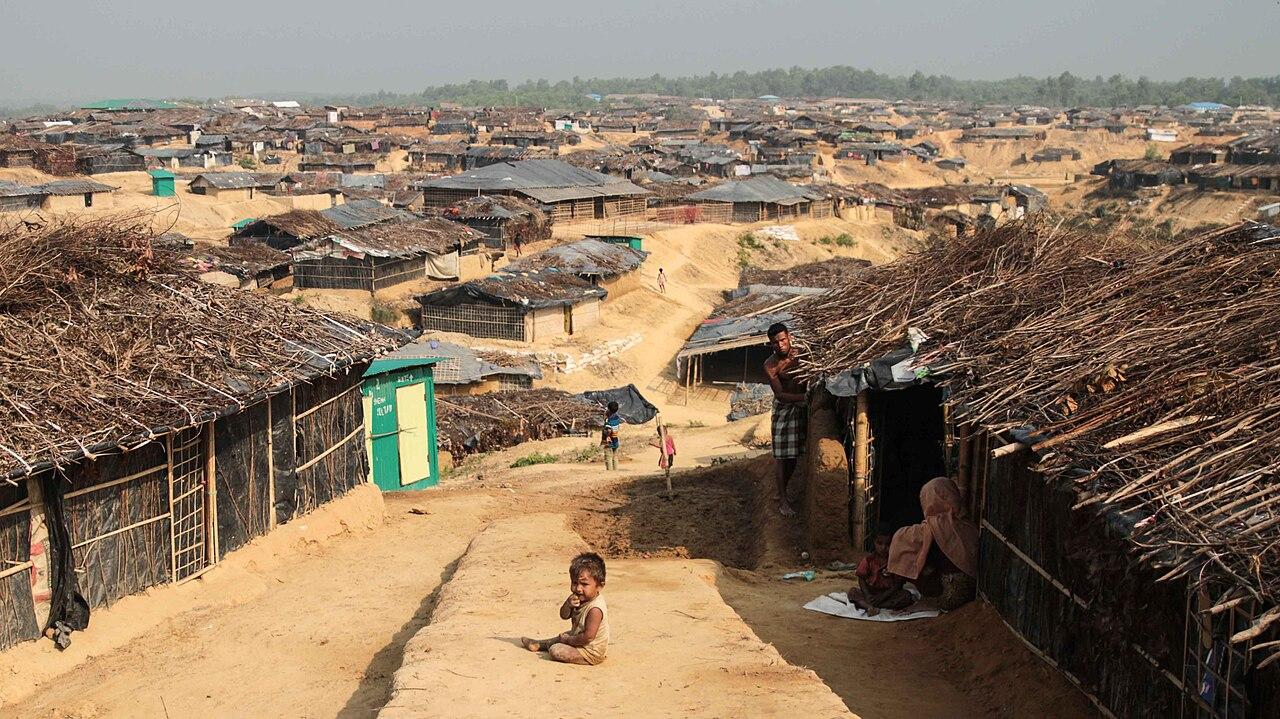
Thursday's ruling in The Hague answers the question the Rohingya have asked since 2017: was what happened to them genocide? The International Court of Justice said yes, by nine votes to six. The harder questions are what the judgment changes, and how quickly.
What did the court decide?
The court found that Myanmar, as a state, breached the 1948 Genocide Convention through the killings, sexual violence and attacks on fleeing civilians carried out during the 2017 "clearance operations" in Rakhine State. It is the first time the court has found a state directly responsible for genocide.
Can it be enforced?
Not directly. ICJ judgments are final and binding on the parties, but the court has no police and no way to compel compliance. Under the UN Charter, The Gambia can ask the Security Council to act if Myanmar ignores the ruling. Any of the five permanent members can veto a resolution, and China and Russia have shielded Myanmar's military in the past.
What about compensation?
That comes next. Rohingya advocates have said they want guarantees that the abuses will not be repeated, restitution of land and citizenship, and compensation. Those remedies are likely to be argued in a further phase.
Is this the same as the ICC case?
No. The ICJ settles disputes between states. Individual criminal responsibility is a matter for the International Criminal Court, whose prosecutor has sought an arrest warrant for Myanmar's military leader, and for a separate universal-jurisdiction case in Argentina. Thursday's finding is likely to strengthen both.
What does it mean for Bangladesh?
Bangladesh hosts about 1.2 million Rohingya and has long argued that their safe, voluntary return depends on accountability in Myanmar. The judgment gives Dhaka a legal basis for that argument, but it does not change conditions in Rakhine, where fighting between the military and the Arakan Army continues. Few refugees expect to go home soon.
What the ruling does change is the record. Myanmar's long-standing claim that its forces were fighting terrorists has been rejected by the UN's highest court.
This report draws on reporting by Reuters, Al Jazeera, the BBC and Human Rights Watch.
Comments
Please keep comments civil and on topic. We remove abuse, personal attacks, hate speech, spam and anything that may be unlawful.
Loading comments…